
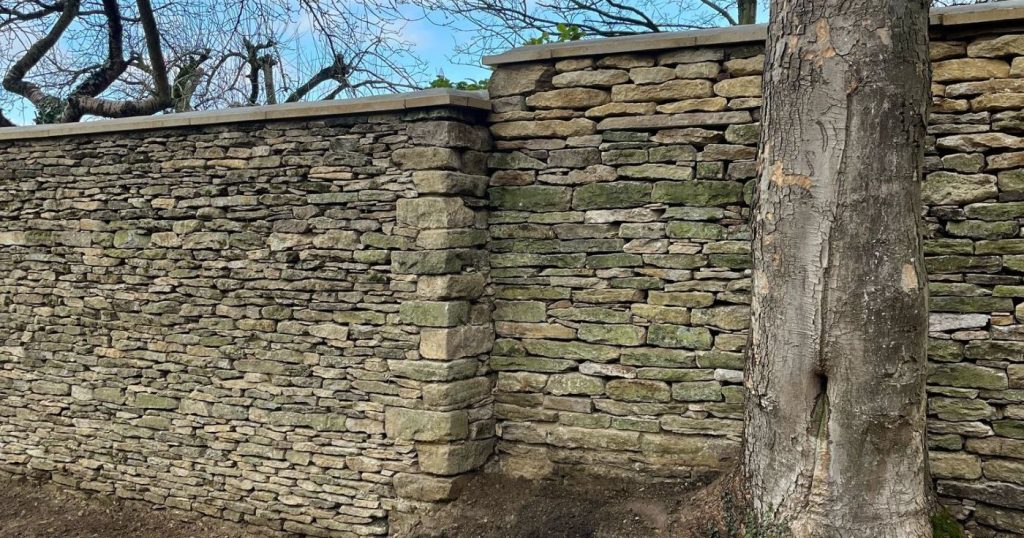
Stone Wall Building Techniques: By Collingtree Stonemasons
Building a stone wall is both an art and a science. From traditional dry-stacked walls to modern mortared designs, each method requires precision, patience, and the right materials. Whether you’re building a rustic garden wall or a structural retaining wall, mastering stone wall building techniques ensures strength, durability, and aesthetic appeal that can last for centuries.
Understanding the Fundamentals of Stone Wall Construction
Before laying the first stone, it’s essential to understand the core principles of stone masonry. A well-built stone wall depends on three key elements — foundation, drainage, and structure. Each plays a vital role in ensuring your wall stands firm through time and weather.
Choosing the Right Type of Stone
The type of stone you select determines both the appearance and longevity of your wall. Common types include:
-
Fieldstone: Naturally shaped and ideal for rustic, dry-stacked walls.
-
Limestone: Easy to shape, perfect for detailed, mortared designs.
-
Granite: Extremely durable and weather-resistant.
-
Sandstone: Offers warm tones but requires sealing for protection.
The best approach is to use locally sourced stone, as it blends naturally with the environment and reduces transportation costs.
Preparing the Foundation for Stability
Every durable stone wall begins with a solid foundation. Without it, the structure risks shifting or collapsing over time.
-
Excavate the Base: Dig a trench about twice the width of your stones and at least 6 inches below the frost line.
-
Add Gravel or Crushed Stone: Create a drainage base 4–6 inches deep using compacted gravel.
-
Level the Surface: Use a spirit level to ensure a stable, flat surface before placing the first layer of stones.
A well-compacted foundation prevents frost heave and water buildup, two of the most common causes of wall failure.
Dry Stone Walling Techniques
Dry-stone walls, built without mortar, are traditional and eco-friendly. Their strength comes from careful stone placement and gravity.
Key Dry-Stone Wall Building Steps
-
Lay the Footing Stones: Choose the largest, flattest stones for the base layer.
-
Build with a Batter: Each layer should slightly lean inward (about 1 inch per foot of height) for stability.
-
Interlock Stones: Ensure that each stone overlaps joints below it, preventing weak vertical seams.
-
Use Hearting Stones: Fill interior gaps with small stones to stabilize the wall and improve drainage.
-
Capstones: Place large, flat stones on top to bind the structure and shed rainwater effectively.
This technique requires precision but results in a flexible wall that adjusts to ground movement without cracking.
Mortared Stone Wall Building Techniques
For structures that need added strength, such as retaining walls or garden borders, mortared stone walls offer stability and design flexibility.
Steps for Building Mortared Stone Walls
-
Mix the Mortar: Use a ratio of 1 part cement, 3 parts sand, and water for a strong yet workable mix.
-
Lay the Stones: Spread a layer of mortar, then press each stone firmly into place.
-
Fill the Joints: Use a pointing trowel to pack mortar into gaps between stones.
-
Tool the Joints: Smooth the mortar joints for a neat finish and to prevent water penetration.
-
Cure Properly: Allow at least 48 hours for curing before applying any external pressure.
Mortared walls are less forgiving than dry-stone ones, but they provide a rigid and long-lasting structure when built correctly.
Advanced Techniques for Professional Results
1. Random vs. Coursed Patterns
-
Random rubble walls feature irregular stones, creating a natural, rustic look.
-
Coursed rubble walls use stones of uniform height, providing a cleaner and more organized appearance.
Both styles require skillful stone selection and placement to ensure even weight distribution.
2. Through Stones and Bonding
Every 3 to 4 feet, place through stones that extend the full width of the wall. These act as structural anchors, tying both faces together for enhanced stability.
3. Managing Water Drainage
In retaining or boundary walls, drainage is critical. Incorporate weep holes or gravel backfill to prevent water buildup, which can create pressure and cause cracks.
Tools and Equipment Needed for Stone Wall Construction
A well-prepared builder uses the right tools for precision and efficiency. Essential tools include:
-
Mason’s hammer and chisel: For shaping stones precisely.
-
Spirit level and plumb line: To maintain alignment and level surfaces.
-
Wheelbarrow and shovel: For mixing and transporting materials.
-
Trowel and jointer: For applying and smoothing mortar.
-
String line and stakes: To ensure straight, even courses throughout construction.
Investing in quality masonry tools makes the building process smoother and the results more professional.
Safety and Maintenance of Stone Walls
Safety Tips During Construction
-
Always wear protective gloves, goggles, and boots.
-
Be cautious when lifting heavy stones — use proper lifting techniques or equipment.
-
Work on stable ground and avoid building in adverse weather conditions.
Long-Term Maintenance
Even the most solidly built walls require occasional care:
-
Inspect for loose or cracked stones annually.
-
Clean moss or vegetation that could trap moisture.
-
Repoint mortar joints when they begin to crumble.
-
Ensure proper drainage remains functional to avoid structural weakening.
With regular upkeep, your stone wall can remain sturdy and visually appealing for generations.
Common Mistakes to Avoid
-
Ignoring the Foundation: A shallow or uneven base leads to instability.
-
Poor Drainage: Causes wall bulging and frost damage.
-
Incorrect Stone Placement: Failing to interlock joints weakens the wall.
-
Using Soft Mortar Mixes: Leads to cracking under pressure or moisture.
-
Rushing Construction: Stonework requires patience for perfect alignment and strength.
By avoiding these mistakes, you can ensure your stone wall stands the test of time.
Conclusion: Crafting a Legacy in Stone
Building a stone wall is more than just a construction project—it’s a timeless craft. With proper materials, foundation, and technique, you can create a wall that not only enhances your landscape but also tells a story of craftsmanship and resilience. Whether dry-stacked or mortared, every wall you build contributes to a legacy of enduring beauty and functionality.